Simplified Ordering Request System [SORS]
Client: Hughes Network Systems
Scope
 UX Design & Research
 Information Architecture
 Creating Wireframes
 Business Analysis
 Usability Testing
 UX Writing
Project Overiew
Summary
- SORS is a self-service B2B ordering system that replaces spreadsheet-based order submissions.
- Implements guided, rule-driven workflows for complex product and service orders.
- Reduces cognitive load by progressively revealing relevant inputs and constraints.
- Enables customers to confidently submit accurate orders without relying on customer agents.
- Scales across simple changes, new locations, and multi-location ordering scenarios.
Problem Statement
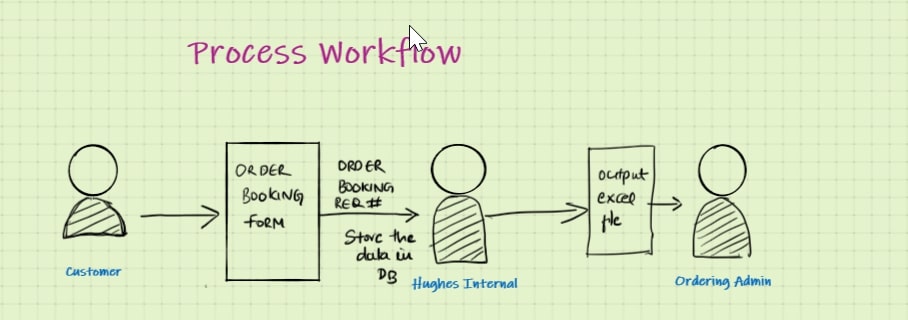
- B2B ordering relied on manual spreadsheets, emails, and frequent customer support calls.
- Orders required extensive data entry across various fields with complex contract rules.
- Critical business logic and validations existed outside the system, increasing operational risk.
- High dependency on program managers and support teams slowed order turnaround.
- The process was difficult to scale as order volume and complexity increased.
Possible Solution
- Introduce a centralized, self-service ordering platform for complex B2B products and services.
- Embed contract logic, product eligibility, and dependencies directly into the user experience.
- Replace manual verification with guided, rule-driven workflows and real-time validation.
- Provide real-time validation and feedback to prevent errors before submission.
- Reduce reliance on customer agents by enabling confident, end-to-end self-service ordering.
Research Synthesis
The challenge was not complexity itself, but the absence of a system designed to manage it.
Who we studied
- Enterprise customers placing B2B orders
- Program Managers & Business Analysts overseeing contracts and validation
- Customer Support Agents resolving order issues
What we learned
- Order creation relied on manual spreadsheets, email, and phone calls, with critical business rules enforced outside the system
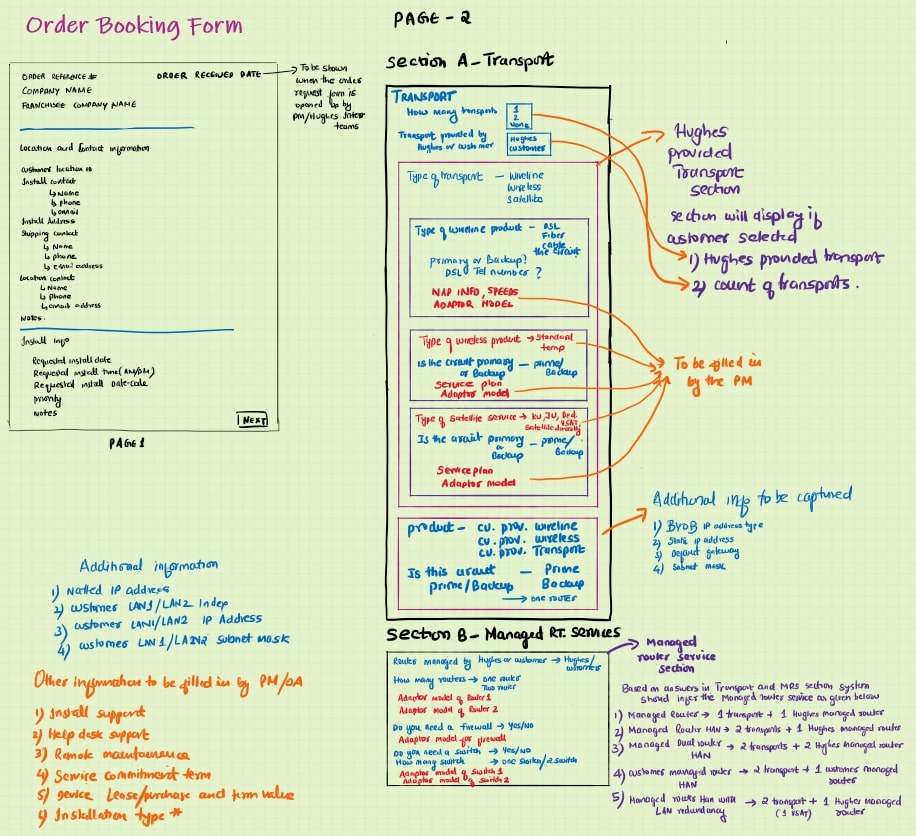
- Customers were required to complete 60–70 fields per order with minimal guidance, creating high cognitive load
- Errors were frequent due to unclear contract rules, missing data, and invalid product combinations
- Even experienced users struggled with multi-location and new site orders, relying heavily on tribal knowledge and support teams
Why it mattered
- These patterns revealed systemic UX gaps, not user capability issues
- Manual verification increased operational risk, processing time, and support dependency
- The process did not scale with growing order complexity or volume
- Research clearly pointed to the need for a guided, rule-driven self-service platform that embeds business logic, reduces errors, and enables confident, independent ordering
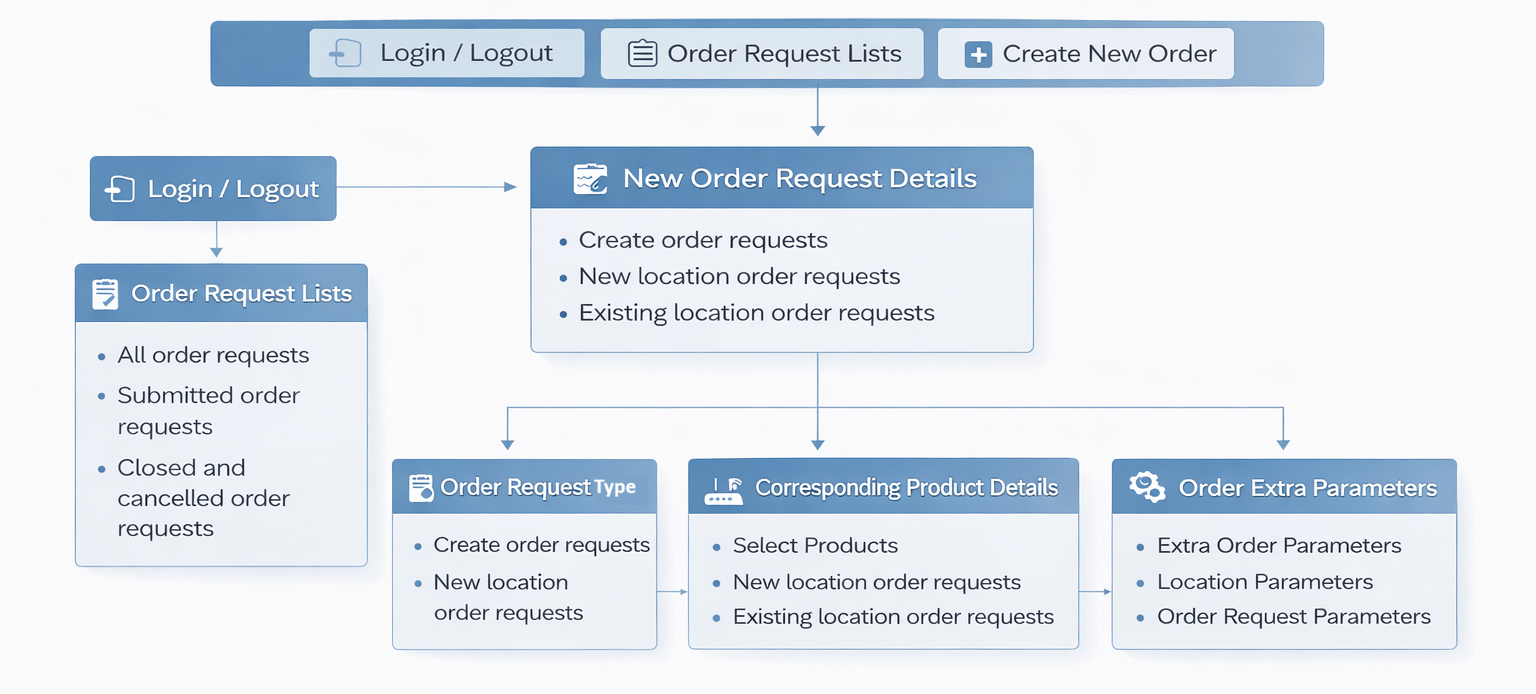
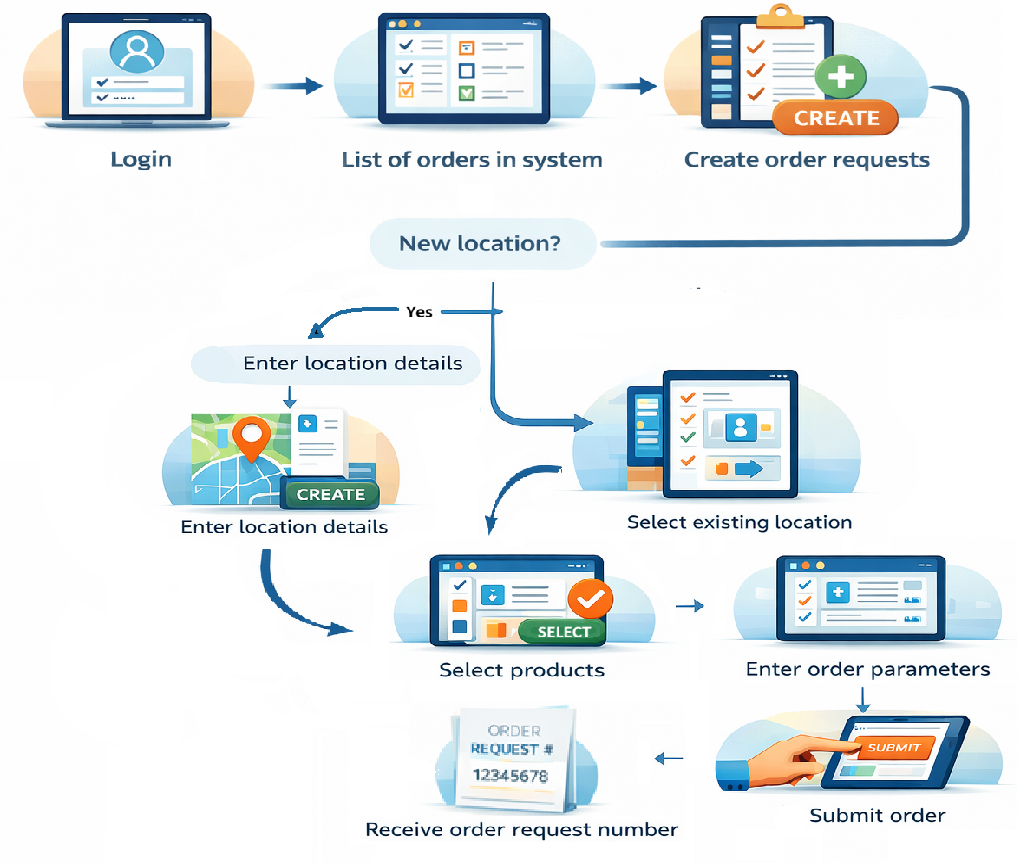
Application Layout & Information Architecture Approach
The application architecture was designed to mirror user intent and decision-making, while the system absorbed the underlying complexity.
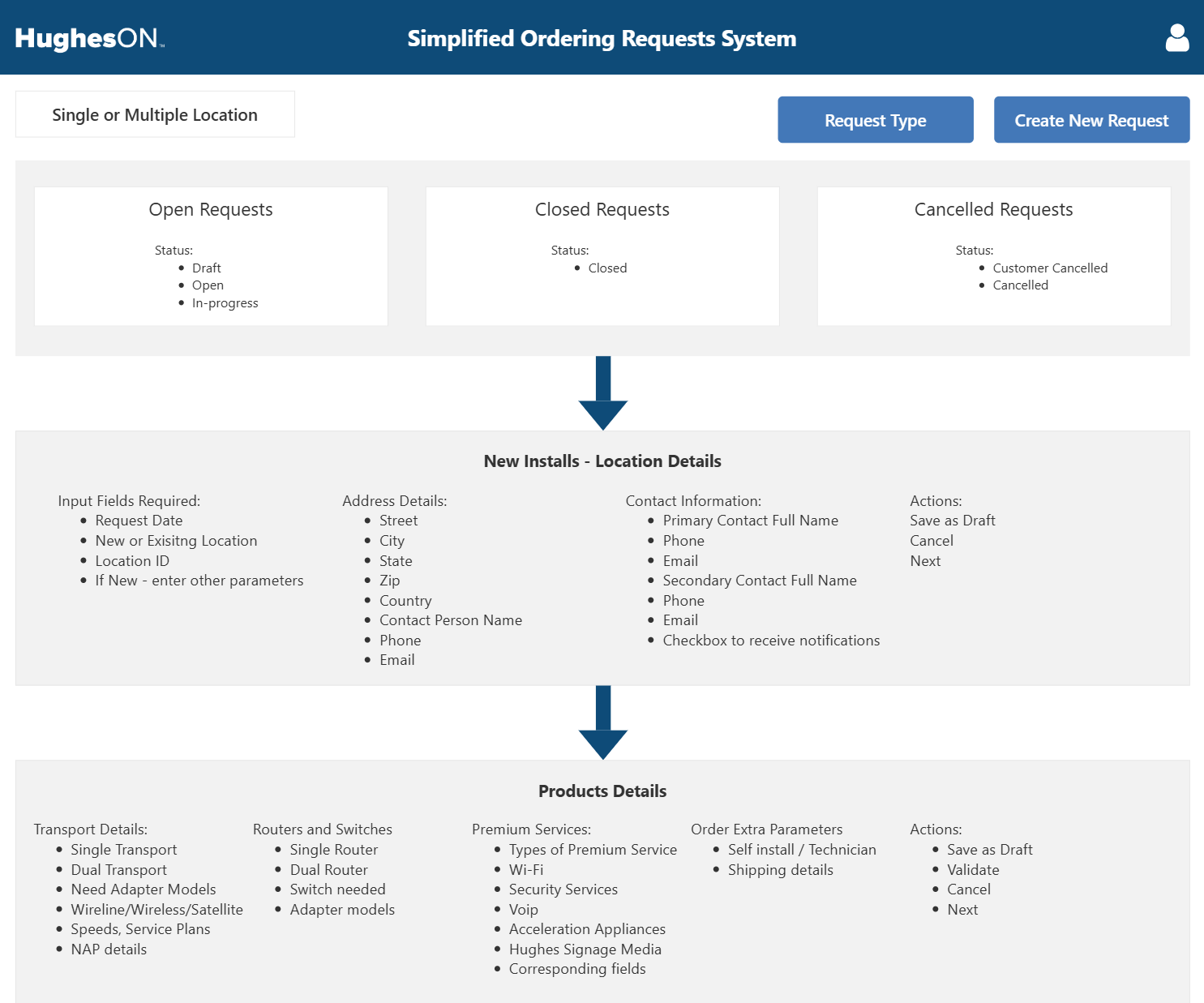
- Organized the application around task-based flows, aligning the UI with how users think about creating orders.
- Maintained a persistent order list view as an anchor to track progress and confirm submissions.
- Separated the experience into stages: Order creation → Location selection → Product selection → Parameter entry → Review & submission.
- Designed location handling as a first-class concept, supporting single and multi-location orders within the same IA.
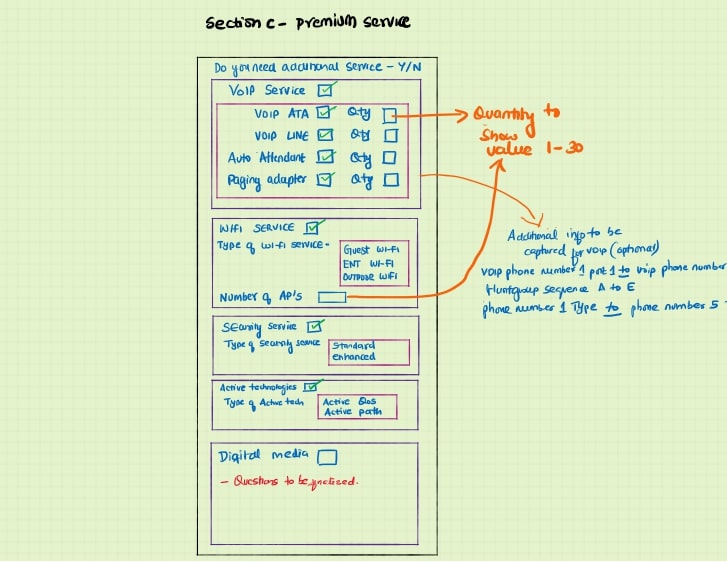
- Grouped products into contract-driven categories (Transports, Routers, Switches, Premium Services) to reduce decision friction.
- Made rules and dependencies visible at the point of decision to avoid hidden logic or post-submission surprises.
Prototypes
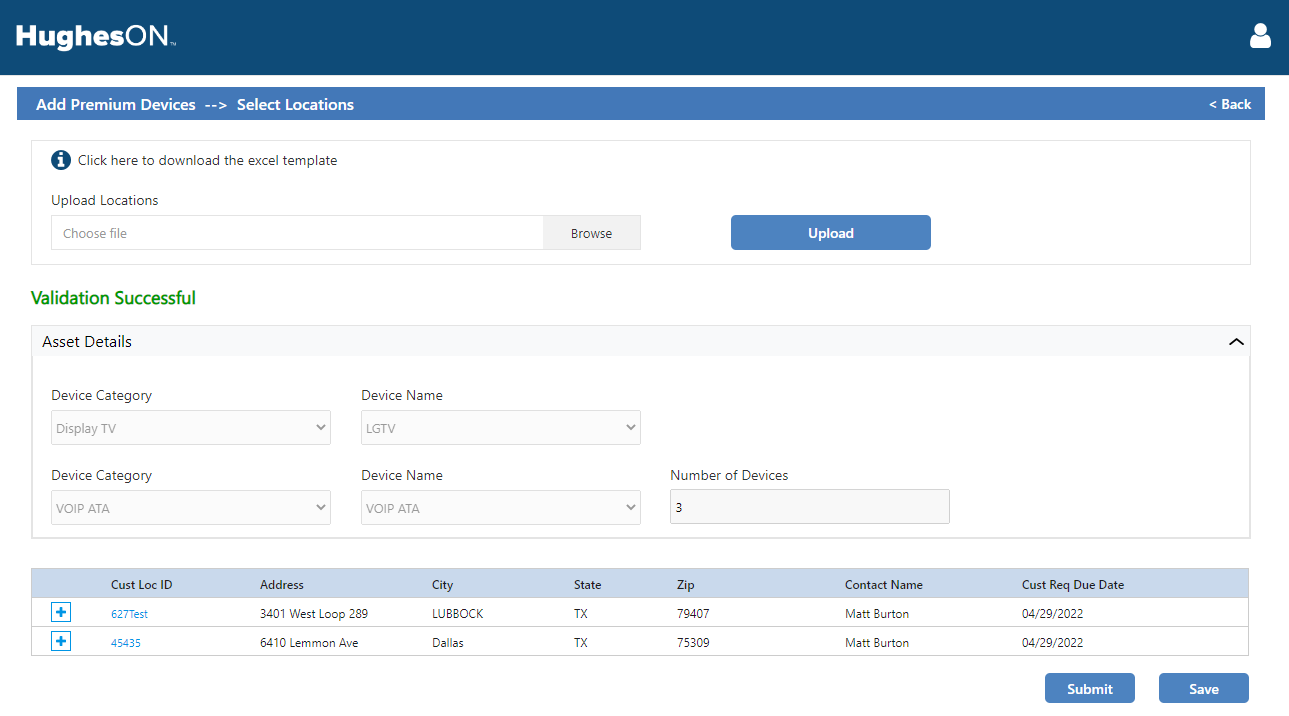
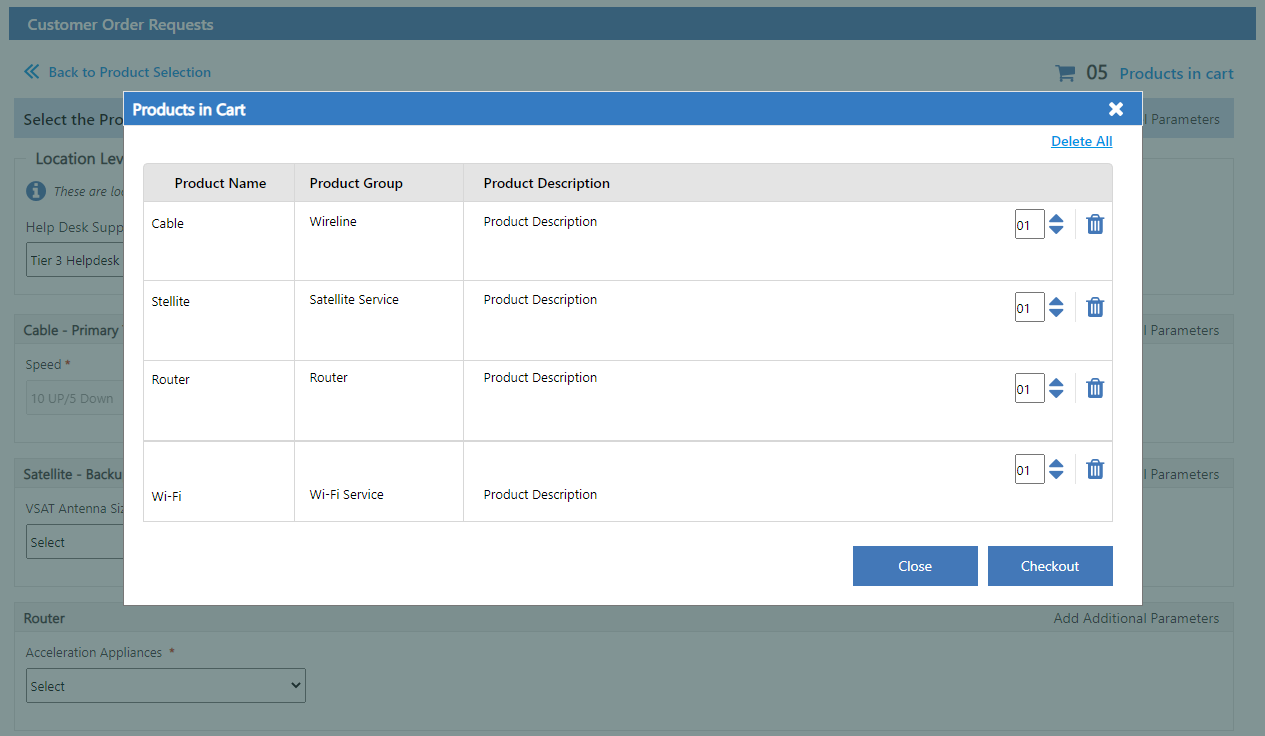
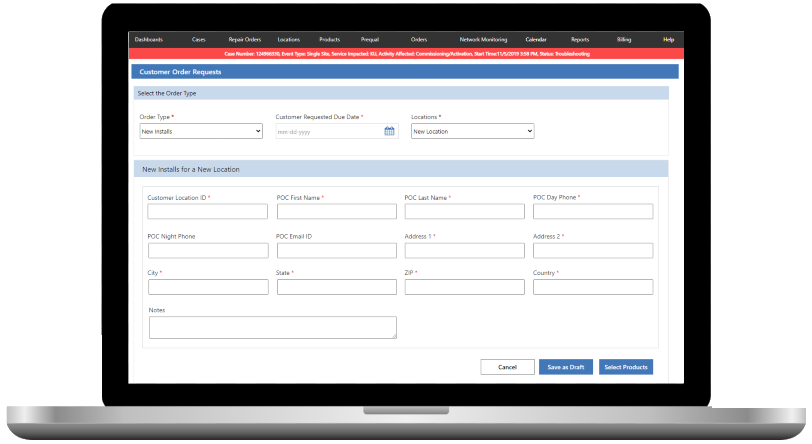
After finishing the design,we updated the look and feel along of the application. Attached are the few mockups.